





Why Fortune Coins Casino App Matters On Mobile
A mobile-first casino lives or dies through small moments. A player opens the account in a grocery line, checks the balance during a coffee break, then returns at night for a longer session. Those short visits say more about product quality than loud banners ever will. On a phone, clutter feels heavier. Weak labels stand out faster. Confusing routes become annoying almost immediately.
The screen is smaller, so the order of actions matters more. The best mobile experience does not ask the player to think too hard before doing basic things. Open the account. Find the wallet. Reach the lobby. See support. That flow should feel natural, not theatrical. When the sequence works, the whole platform feels calmer even before any game starts.
There is also a practical side to this. Most adults do not sit down with endless spare time just to explore menus for fun. They want a product that respects interruption. A session may pause because of work, family, or travel, then resume later from another device. Good mobile structure supports that reality. Bad structure punishes it.
Say you unlock your phone with five quiet minutes before dinner. You are not looking for drama. You want a direct path back into the account, a clean view of recent activity, and a sensible route into the lobby. When those basics are easy, the product earns trust long before it tries to impress you.
How Fortune Coins Casino App Changes Quick Sessions
Quick sessions reveal the truth. An evening player checking the account before bed notices right away whether the product feels steady or crowded.
A clear entry path, readable balance display, and visible help route save time and attention. A messy interface does the opposite and turns a short visit into a small chore.
First Steps After Sign-In
The first screen after entry shapes the whole mood of the session. A good opening view tells the player where to look first and what to do next. It does not try to shout from every corner at once. It shows the account area clearly, keeps the main paths visible, and reduces the chance of wandering through the wrong section.
That matters because adults in Canada often use these platforms in fragments. Someone may start on a phone in the afternoon and return on a laptop after work. The product does not need to look identical on every screen, though it should feel related. The same internal logic, the same order, the same basic structure. That continuity lowers friction more than most design flourishes ever could.
Open the account while waiting for a ride and the first seconds will decide a lot. Can you see the profile area? Is the balance easy to spot? Does the return path into games look obvious? Those answers matter because the player is building confidence in the platform before any money movement or game choice happens.

Why Fortune Coins Casino Apk Still Needs Clear Structure
The term itself attracts attention because some users immediately think about downloads, installation steps, and direct phone access. Yet the real issue is not just the file or the entry point. It is how the whole environment behaves once the account is open. Access means very little when the rest of the product feels awkward.
A strong mobile product treats access as one part of a wider rhythm. The player enters, verifies the account state, checks recent activity, looks at available options, and then decides what comes next. Each step should support the next one. No dead ends. No sudden clutter. No feeling that the session is being pushed around without permission.
Think about a player returning after two or three days away. They do not need to rediscover the platform from zero. They need visible continuity. The recent account path should make sense. The wallet should be easy to reach. The route toward help should remain available without digging. When those elements stay stable, return visits feel lighter.
What Players Notice Before They Notice It
Players often feel friction before they can describe it. A small delay, an odd button order, or a buried account tool creates discomfort that grows through the session.
Open the account on a crowded train and those tiny weaknesses become obvious fast. A stable layout prevents that silent accumulation of irritation.
Where Mobile Confidence Really Comes From
Confidence rarely comes from one dramatic feature. It builds through repetition. A player logs in, checks the account, finds the wallet, enters a game, then returns to the lobby without getting lost. Repeat that pattern a few times and the product starts to feel dependable. Break the pattern and trust fades quickly.
Why Return Visits Matter More Than First Impressions
A first visit can flatter almost any platform because novelty covers a lot. The fifth visit is harder to fake. By then the player knows whether the product stays readable, whether the account path still feels direct, and whether small daily actions remain easy. Repeated use reveals the actual design quality underneath the launch-day shine.
Wallet Flow, Limits, And Session Control
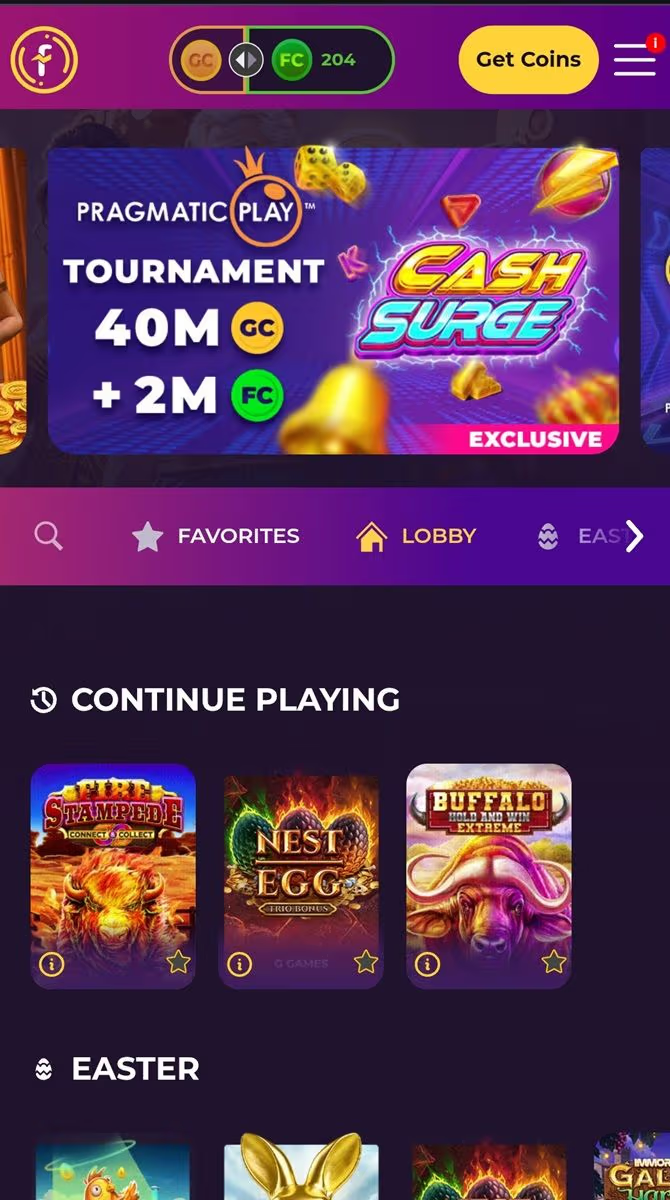
The wallet area says a lot about whether the platform respects real adult behavior. This is where the product must become practical. A player should understand what is happening without pausing to decode the layout. Payment methods should be easy to scan. Amount fields should feel obvious. Confirmation should be clear, not sneaky.
Rushed money movement usually starts with missing context. The player signs in, sees a banner, feels a little momentum, and heads straight into the wallet without checking anything else. That is rarely the smartest path. A better sequence is slower and cleaner: review the balance, scan recent account history, confirm the intended route, then decide whether a transaction still makes sense. That extra minute often prevents sloppy choices.
Session control belongs in the same conversation. Deposit boundaries, reminders, short breaks, or longer pause tools should not be hidden like embarrassing details. They should sit inside the product logic as normal options for normal adults. A well-designed casino does not wait for chaos before showing control tools. It makes them easy to find while the session still feels calm.
Open the wallet during a short lunchtime visit and the difference becomes clear. A strong product lets you review the balance, compare options, and leave without feeling trapped in a long process. A weak product creates pressure, confusion, or hesitation. That difference stays in the player’s memory long after the session ends.
Area | What To Check | Why It Helps |
|---|---|---|
Account summary | Balance, recent history, profile basics | Creates context before any next step |
Wallet section | Method list, amount field, confirmation flow | Reduces hesitation during transactions |
Support access | Help route near key account tools | Makes small issues easier to solve quickly |
Session controls | Limits, reminders, pause options | Supports steadier adult play |
Return path | Easy move back to lobby or account | Keeps the session from feeling boxed in |
When Pause Tools Become Most Useful
Pause tools matter before a session feels dramatic. A player may simply notice that the account has been opened too many times in one sitting, or that the next step no longer feels deliberate. That is the ideal moment for a reminder or short break option. Good design supports that quiet decision without turning it into a lecture.
Lobby Navigation And Everyday Play
Once the account is open and the wallet is understood, the lobby has to do its job. Categories should feel readable. Search should not hide. Returning from a game should not require a puzzle. Mobile players notice navigation quality instantly because they cannot waste attention on useless movement.
That sounds basic, though it shapes the entire mood of play. A clear lobby helps the player move with intention. Browse. Compare. Pick. Exit. Re-enter. A cluttered lobby does the reverse. It turns every choice into a hunt and every return into extra work. Over time, that kind of friction drains the experience more than any single weak feature.
Say you open the account on a rainy evening, play one title for a few minutes, leave, compare two other options, then head back to the main categories. That tiny routine reveals whether the product respects ordinary behavior. Mature design makes those steps feel quiet and connected. Weak design makes them feel stitched together.
Why Search And Categories Need Different Jobs
Search and categories should not copy each other. Categories help the player browse with a general goal in mind. Search helps when the goal is already specific. When both tools feel distinct, the lobby works better. A player checking one title on a phone after dinner should not need to crawl through broad menus just to reach a direct choice.
What Makes A Mobile Lobby Feel Less Tiring
The answer is restraint. Fewer competing calls for attention, clearer labels, and an obvious path back toward the account all reduce fatigue. Someone playing for a short stretch before bed notices this immediately. A cleaner lobby feels lighter not because it does less, but because it organizes what it does more honestly.
Support, Trust, And Long-Term Comfort
Support affects trust more than most people admit. Not because players want constant problems, but because they want to know that help exists before something goes wrong. A visible route toward assistance lowers tension even when it goes unused. Hidden support does the opposite. It makes the entire product feel less open.
Trust also comes from tone. A casino does not need to sound grand or overconfident to feel reliable. In many cases the calmer approach works better. Clear wording, direct labels, and visible routes toward account tools make the environment feel more grown-up. Adults respond well to products that explain themselves without shouting.
Long-term comfort depends on repeatable order. The player knows where the account lives, where the wallet opens, where help appears, and how to leave the session cleanly. None of that is glamorous. Still, it is what keeps the product usable after the novelty fades. Open the account late in the week after several short visits and those familiar paths matter more than promotional noise ever will.
How Outside Opinions Should Be Read
Public opinions are useful when treated as signals, not commands. A player may notice repeated remarks about navigation, support tone, or wallet clarity, and that can help frame early expectations. Still, the better method is simple: read a few impressions, then compare them against a real short session of your own. That process filters exaggeration and leaves something more useful than borrowed certainty.
Who This Mobile Experience Fits Best
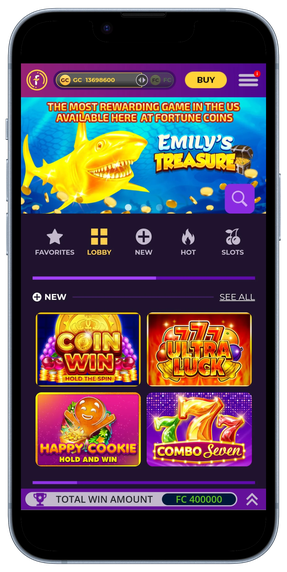
This style often suits players who value structure. They want a readable account area, a visible wallet path, and a product that behaves like one connected environment instead of several disconnected pages. Adults who like checking their balance before acting, reviewing recent activity, and moving through the lobby with purpose often appreciate that kind of design most.
There is room for preference, of course. Some players want a thinner, faster, more stripped-down product with fewer visible tools. Others prefer a fuller environment where the support path, session controls, and account details stay closer to the surface. Neither approach is automatically better. The real question is whether the platform matches the player’s rhythm.
Take an adult user in Canada opening the account after work. They check the balance, review the latest activity, browse for a short while, then leave cleanly. That kind of session depends on order more than excitement. A mobile casino that supports that routine well will often feel more useful over time than one that only knows how to make noise.